Your Go-To Medical Billing Blog: Billing Blog Insights
Medical billing is a critical part of healthcare operations. It directly affects cash flow, compliance, and patient satisfaction. I created this blog to share clear, practical insights that help healthcare providers streamline their billing processes. Whether you run a solo practice or manage a larger medical office, understanding billing can save time and reduce errors.
Understanding the Basics of Medical Billing: Billing Blog Insights
Medical billing involves submitting and following up on claims with health insurance companies to receive payment for services provided by healthcare professionals. It includes coding diagnoses and procedures, verifying patient insurance, and managing denials or rejections.
Here are some key components:
Patient Registration: Collecting accurate patient information and insurance details.
Coding: Assigning standardized codes (ICD, CPT) to diagnoses and procedures.
Claim Submission: Sending claims electronically or on paper to payers.
Payment Posting: Recording payments and adjustments.
Denial Management: Identifying and correcting claim errors to resubmit.
For example, if a provider performs a routine checkup, the coder must select the correct CPT code for that service. If the code is wrong, the claim may be denied, delaying payment.

Common Challenges in Medical Billing and How to Overcome Them
Billing errors and delays can cause significant revenue loss. Here are common challenges and practical solutions:
Incorrect Patient Information
Solution: Verify insurance and demographic data at every visit. Use electronic systems to reduce manual entry errors.
Coding Mistakes
Solution: Train staff regularly on coding updates. Use coding software to cross-check entries.
Claim Denials
Solution: Track denial reasons carefully. Develop a process to appeal or correct claims quickly.
Delayed Payments
Solution: Follow up on unpaid claims within 30 days. Automate reminders and use electronic claim submission.
Regulatory Compliance
Solution: Stay updated on healthcare laws and payer policies. Conduct periodic audits to ensure compliance.
By addressing these issues proactively, practices can improve cash flow and reduce administrative burdens.
How Technology Enhances Medical Billing Efficiency
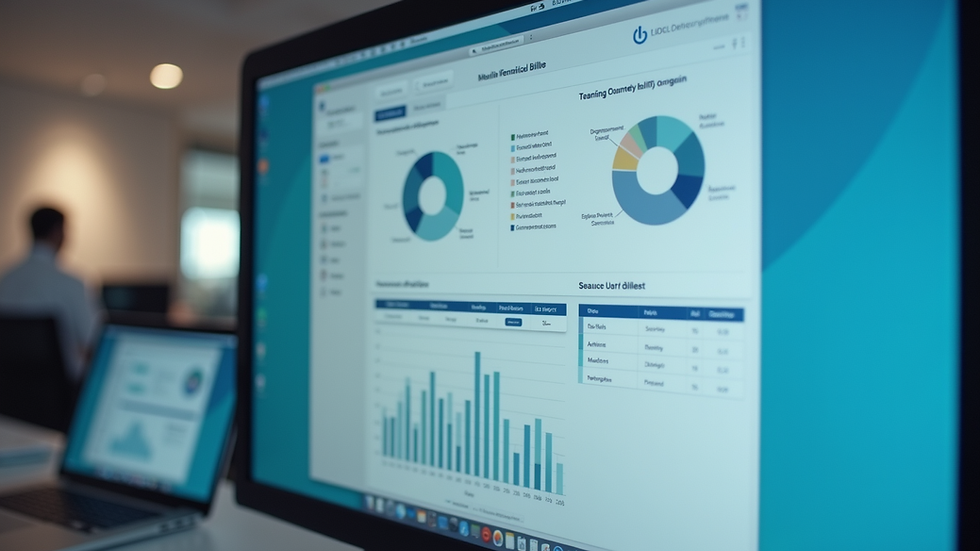
Technology plays a vital role in modern medical billing. Electronic Health Records (EHR) and Practice Management Systems (PMS) integrate billing functions to streamline workflows.
Key benefits include:
Automation: Auto-populate patient data and codes to reduce errors.
Real-Time Eligibility Checks: Confirm insurance coverage before services.
Electronic Claims Submission: Speed up payment processing.
Analytics and Reporting: Identify trends in denials and payment delays.
Secure Data Storage: Protect patient information and comply with HIPAA.
For example, a practice using an integrated system can reduce claim rejections by catching errors before submission. This saves time and improves revenue cycles.
Best Practices for Managing Your Medical Billing Process
Implementing best practices can transform your billing operations. Here are actionable recommendations:
Regular Staff Training: Keep billing and coding teams updated on industry changes.
Clear Communication: Ensure front desk staff collect accurate patient info and explain billing policies.
Consistent Documentation: Maintain thorough clinical notes to support billing codes.
Monitor Key Performance Indicators (KPIs): Track metrics like days in accounts receivable and denial rates.
Outsource When Needed: Consider partnering with a trusted billing service to reduce administrative load.
For instance, tracking denial rates monthly helps identify recurring issues. If a specific payer frequently denies claims, you can focus on correcting those errors.
Partnering for Success: How 540 Billing Solutions LLC Supports Healthcare Providers
Managing billing in-house can be overwhelming. That’s why many providers turn to expert partners. 540 Billing Solutions LLC aims to be the go-to partner for healthcare providers, helping them boost their cash flow and cut down on administrative tasks so they can focus more on patient care and less on billing headaches.
By outsourcing billing, providers gain:
Expertise: Access to experienced billing professionals.
Efficiency: Faster claim processing and payment.
Compliance: Up-to-date knowledge of regulations.
Cost Savings: Reduced overhead and fewer billing errors.
If you want to learn more about optimizing your billing process, check out this medical billing blog for ongoing tips and updates.
Staying Ahead in Medical Billing: Continuous Improvement
Medical billing is not static. Regulations, payer policies, and technology evolve constantly. Staying ahead requires ongoing effort:
Attend Industry Webinars and Workshops
Subscribe to Reliable Medical Billing Resources
Regularly Review and Update Billing Procedures
Invest in Staff Development
Leverage Data Analytics to Drive Decisions
By committing to continuous improvement, healthcare providers can maintain healthy revenue cycles and reduce administrative stress.
This blog serves as your resource for clear, actionable billing insights. I encourage you to apply these strategies to improve your practice’s financial health and focus on what matters most - delivering quality patient care.


Comments